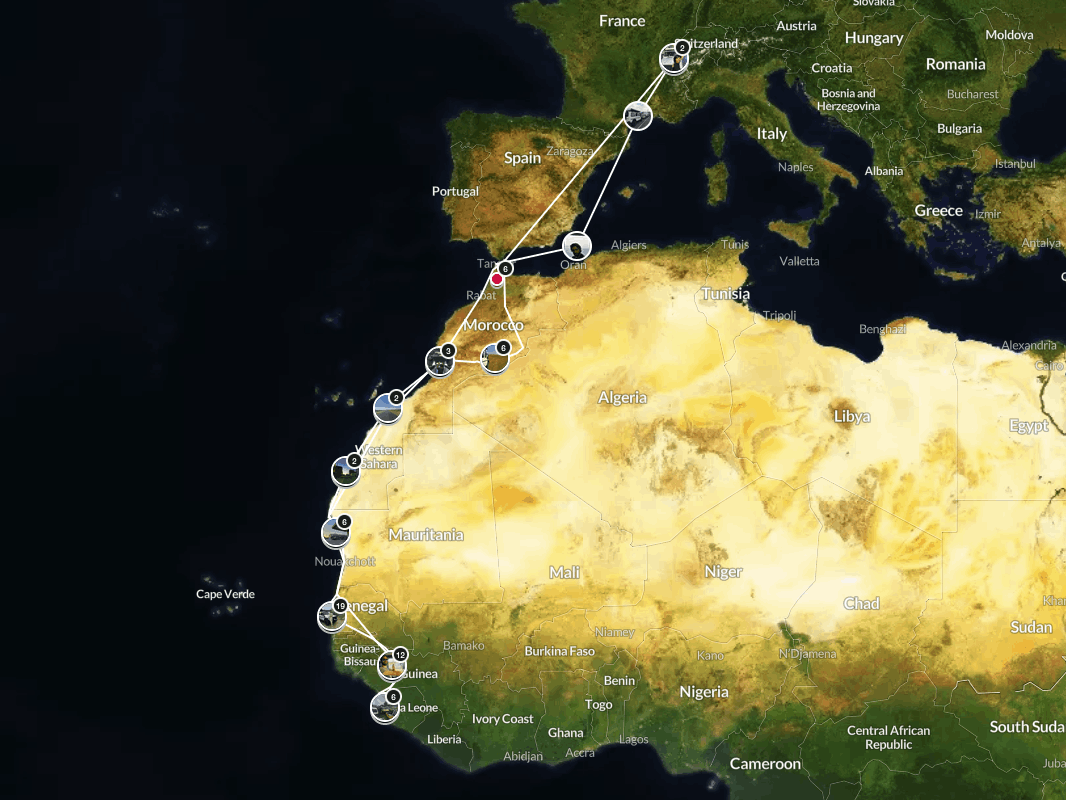
The route, as tracked on Polarsteps. I had to change my initial plans to drive to Abidjan as getting the visa took much more time than planned. Classic TIA (acronym explained further below).
The route, as tracked on Polarsteps. I had to change my initial plans to drive to Abidjan as getting the visa took much more time than planned. Classic TIA (acronym explained further below).

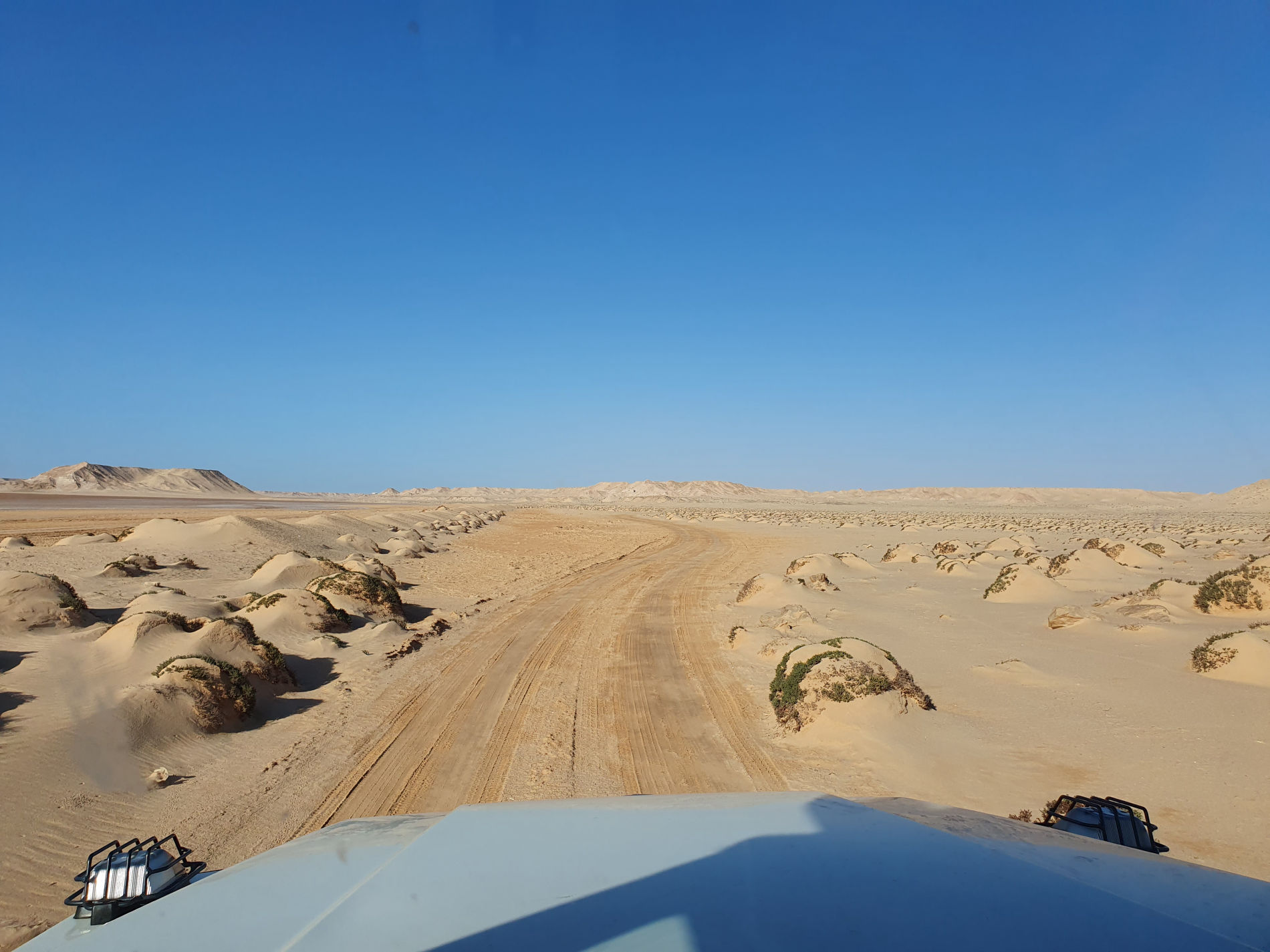
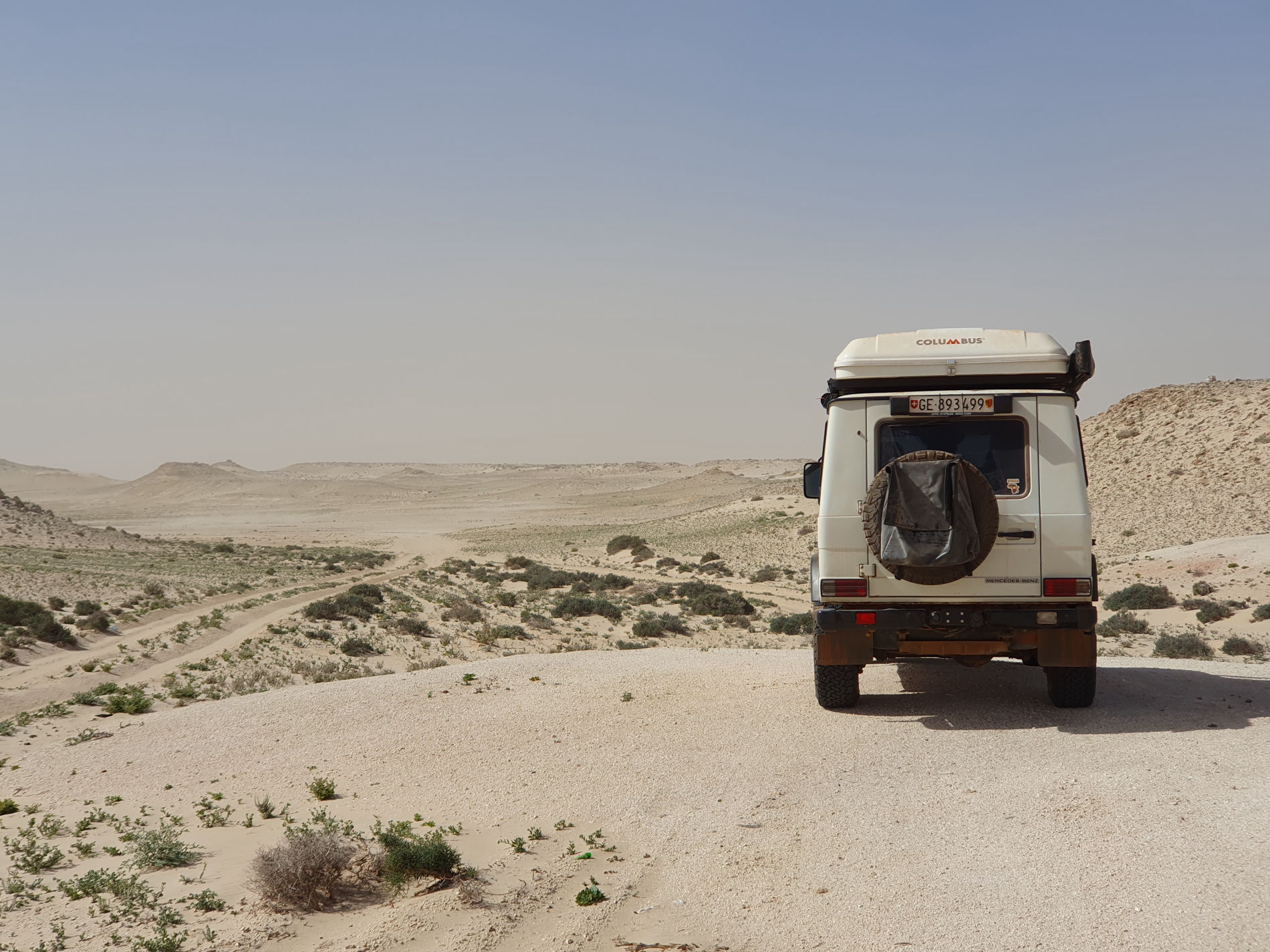

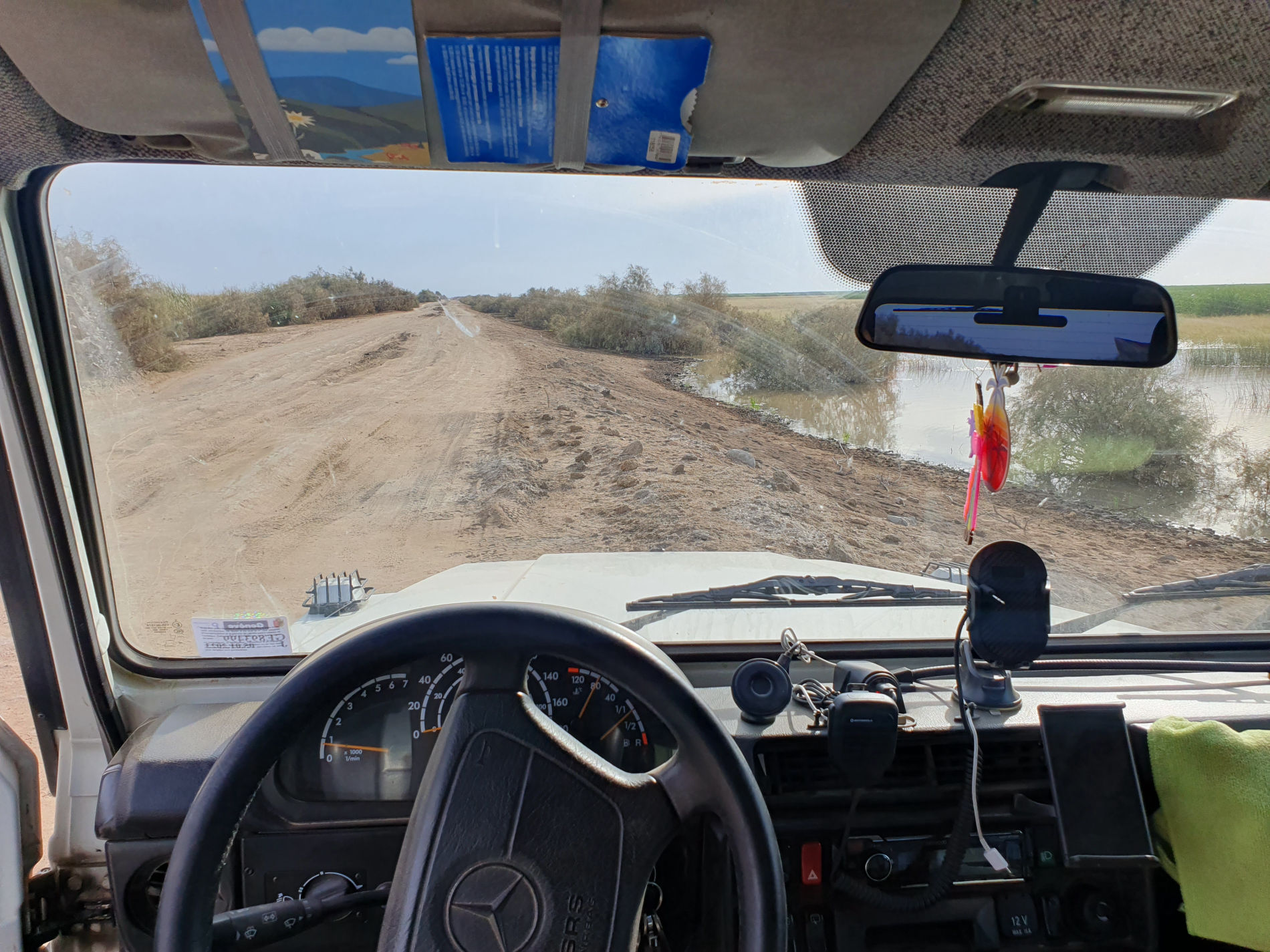
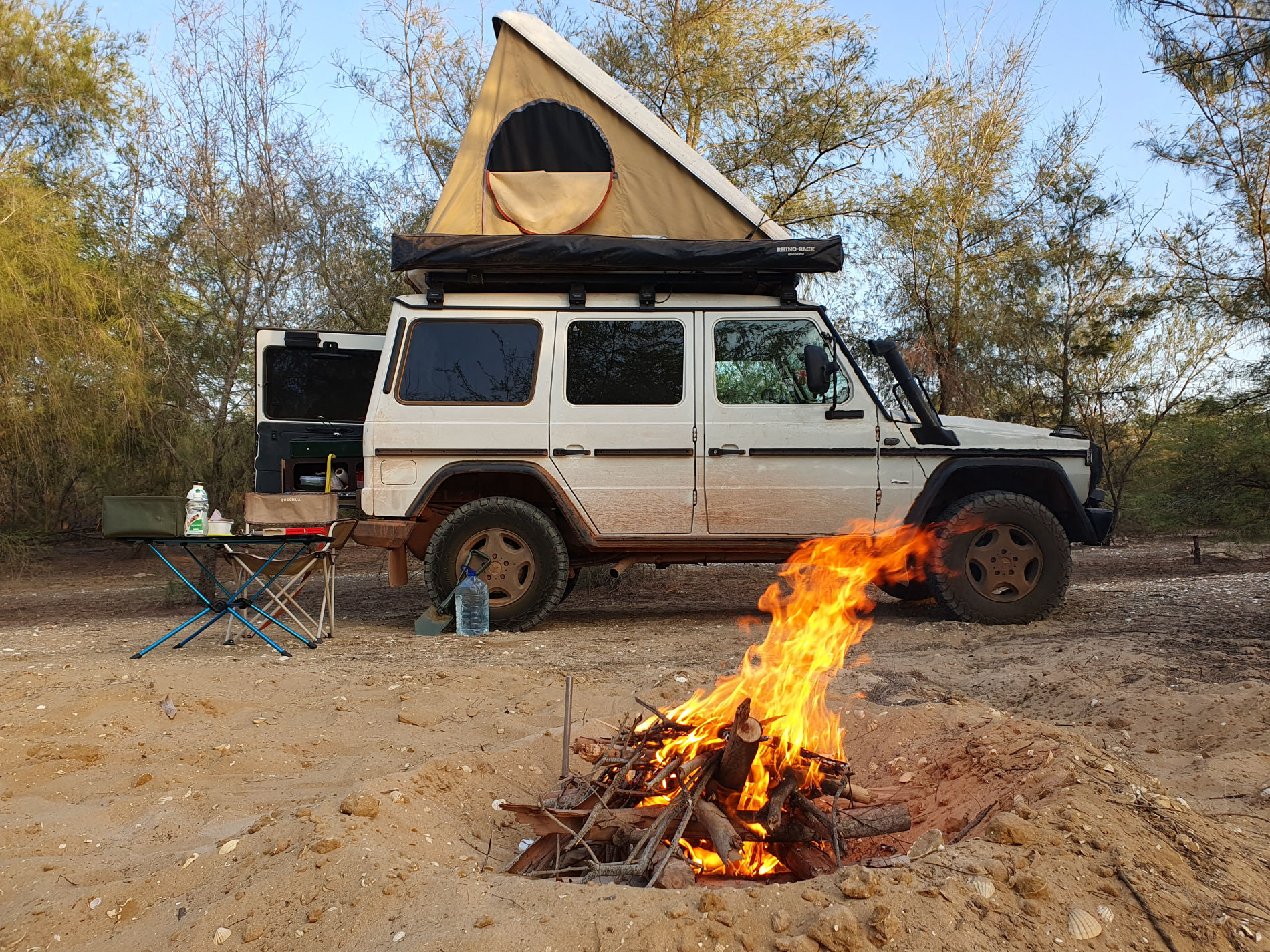
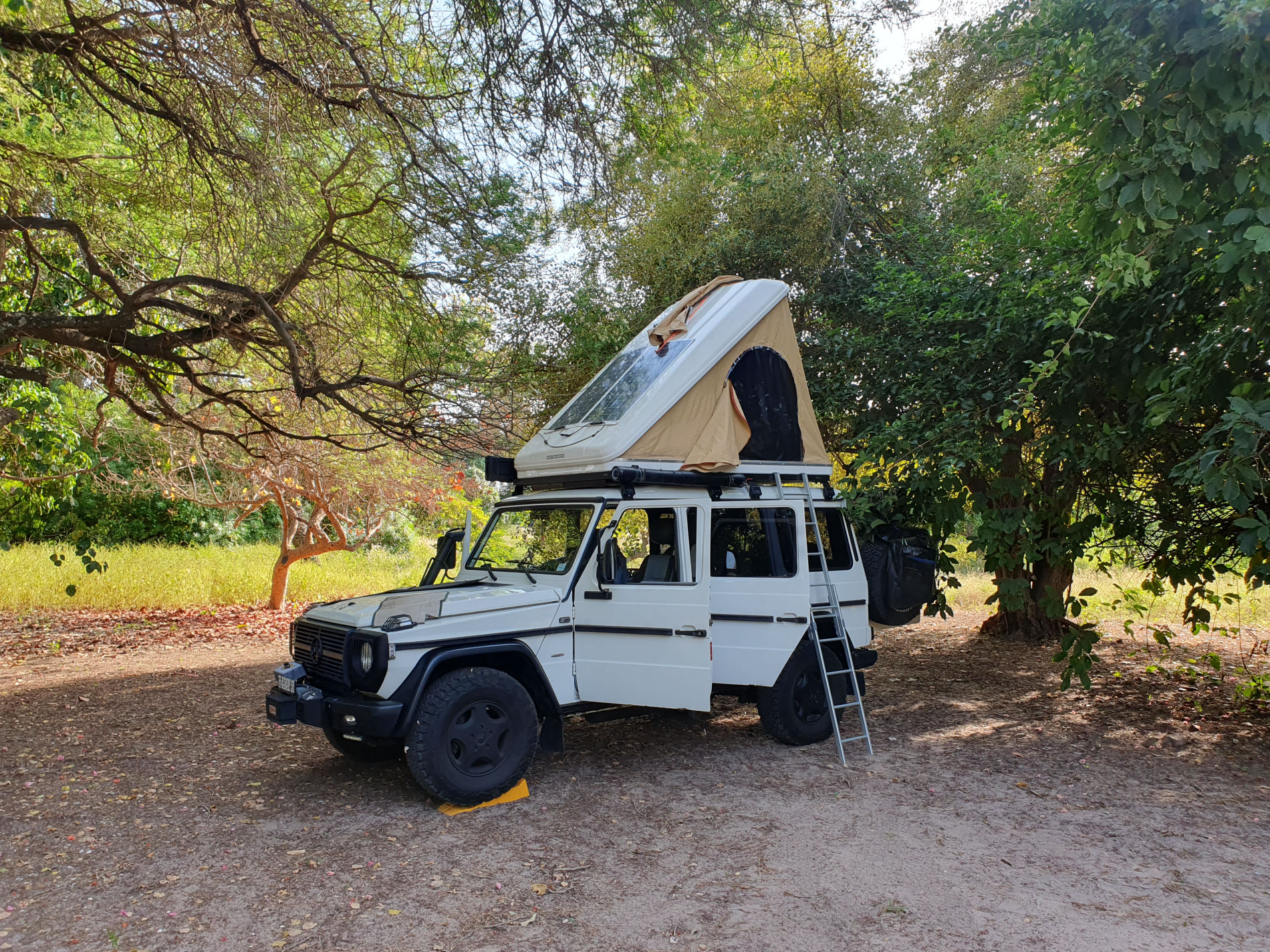


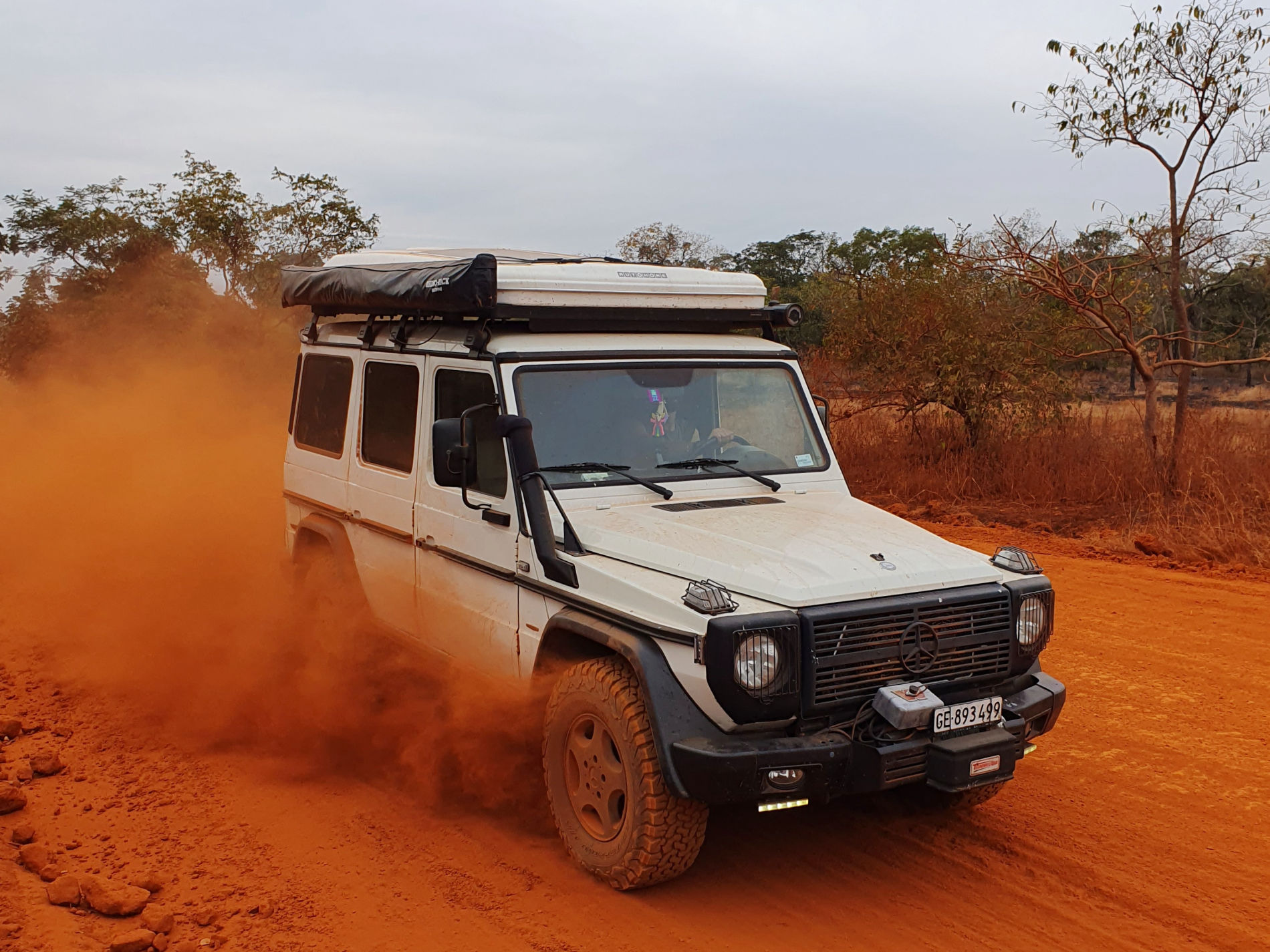
PREPARATIONS: THIS TIME IS DIFFERENT
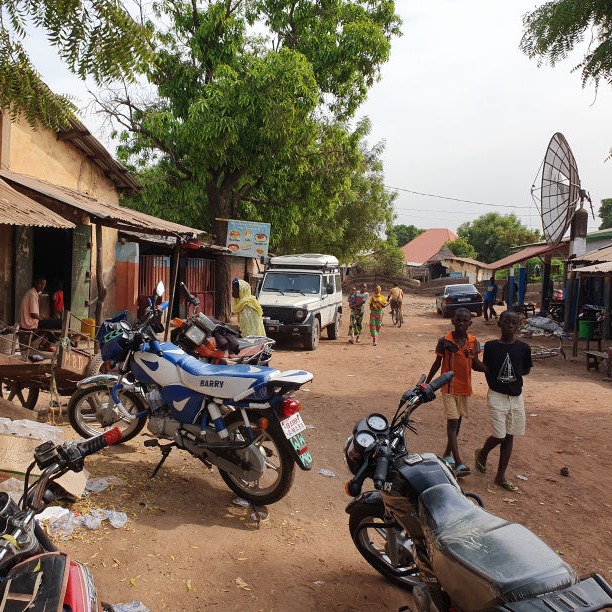
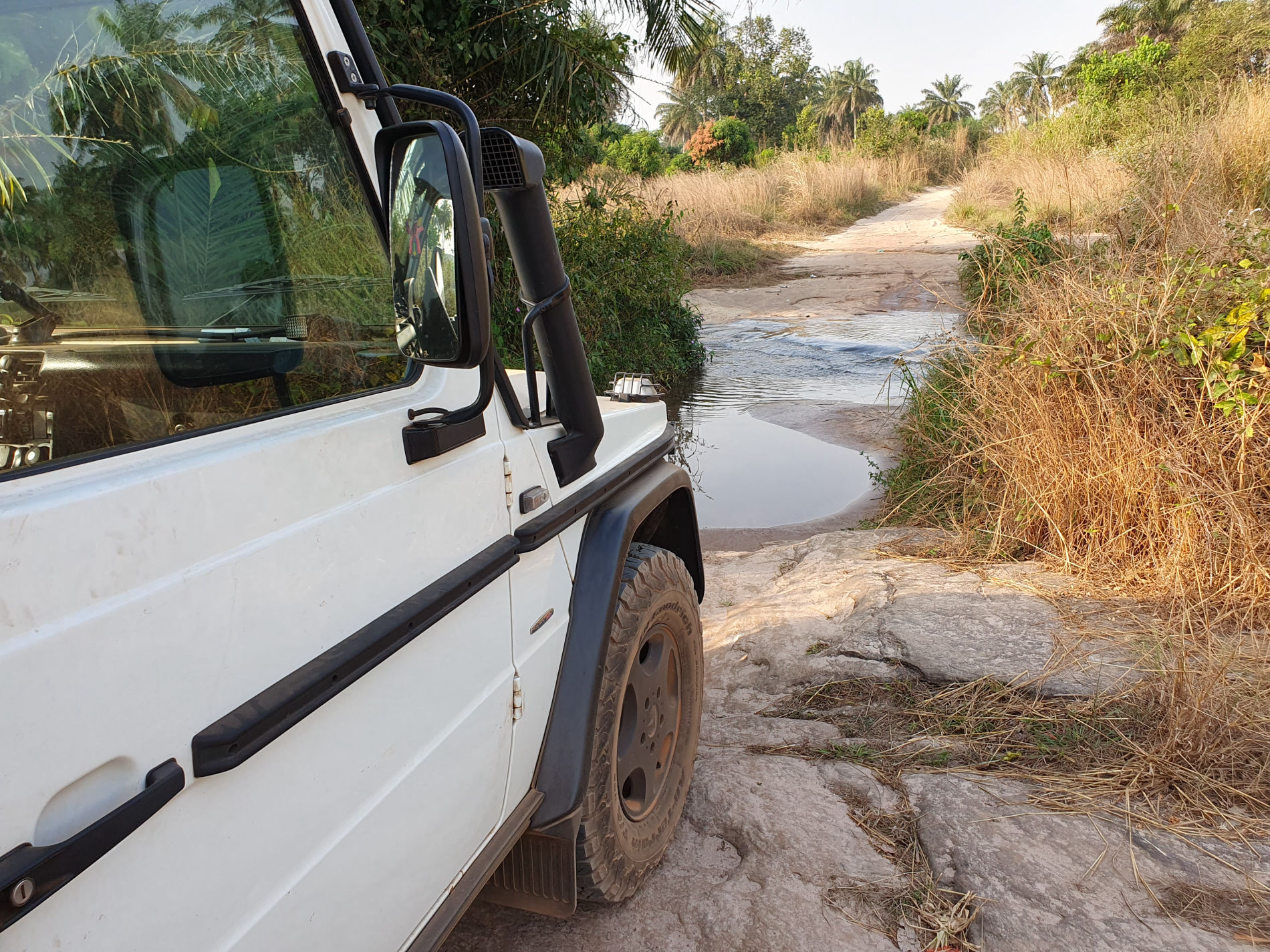
Let's start with the necessary preparations of the car. Although the G wagon was almost ready for action, it nevertheless took countless hours to get it to perfection. The most important upgrades included a new set of wheels to match the "African standard" so that I would not need to take along a second spare wheel. I had red from several sources that the tyre size of 265 85 R16 is the easiest to find in Africa, but also elsewhere. The idea of not taking a second spare is hotly debated and often a topic discussed when running into other overlanders (especially the ones that did bring a second spare). For me, it is part of my mantra to travel as lightly as possible and I would only consider it when traveling into extremely remote areas.
In the same sense I tried to not bring anything that I would not really use, with a few exceptions, which is mainly medical equipment and other items that can be crucial to surviving unforeseen circumstances and a few spares that I assessed will be the most likely to be needed: a starter (automatic gearbox, cannot be pushed to start), belts and related pieces, and all service-related items. No alternator (it can be fixed anywhere and I can work around it using the cars two circuits and my solar panels. I also took along any tools that would be hard to find, bolts, soldering iron, etc.
Apart from that I needed to make slight upgrades to my kitchen and most importantly, design and construct the water filtration system, which took much more time than any other preparation.
More painful and much less fun were administrative preparations. I was planning to do the large share of the trip by myself. I had not been on extended solo overlanding trips before. To be sure I would be ok with it I gave it a shot during the last two weeks of the Balkan trip, three months before starting the West Africa trip. And yes, it worked! I liked the ability to plan every day on a rolling basis and make decisions as I please. I also noted that it made me very open to meet other travellers and locals, which I enjoyed. Importantly, though, I realized that it also requires me to be much better informed because I cannot take as much risk when by myself.
For me, thorough preparation means collecting tons of information to minimize uncertainty and to prevent needless wasting of time in undesirable places (that is, large cities) during the trip. What makes things tricky is that for some countries, information is limited and the little information available is extremely scattered. To give you an example: the 2013 Lonely Planet guide on West Africa devotes a full 5 pages to Guinea, a country larger than the entire UK.
I created an Excel sheet and dashboard to keep track of the most important information: 1) visas, 2) security and health risks (i.e. which regions to omit), 3) rainfall (unpaved roads become impassable), 4) diesel quality (more on this here) and prices, and 5) all things money, such as card payment acceptance, ATM availability, and exchange rates (I hate to arrive to a border and not having an approximate sense of the exchange rate when there is no phone reception). If you are interested you can download a copy of the template here. Remember though, at this point, this is an outdated and incomplete template containing links to sources, meant to be a starting point for your own research, not a ready-to-go document.
Apart from that, I recommend consulting travel books (research which ones are helpful as the reality changes all the time) and importantly, join Facebook pages: the communities on Overlanding West Africa & Morocco and West Africa Travellers are extremely knowledgable and have access to up-to-date information and many members are happy to help. Another helpful source is this site, which discusses the need of a "fiche" to cross Western Sahara and Mauritania (I handed out about 50 copies of it).
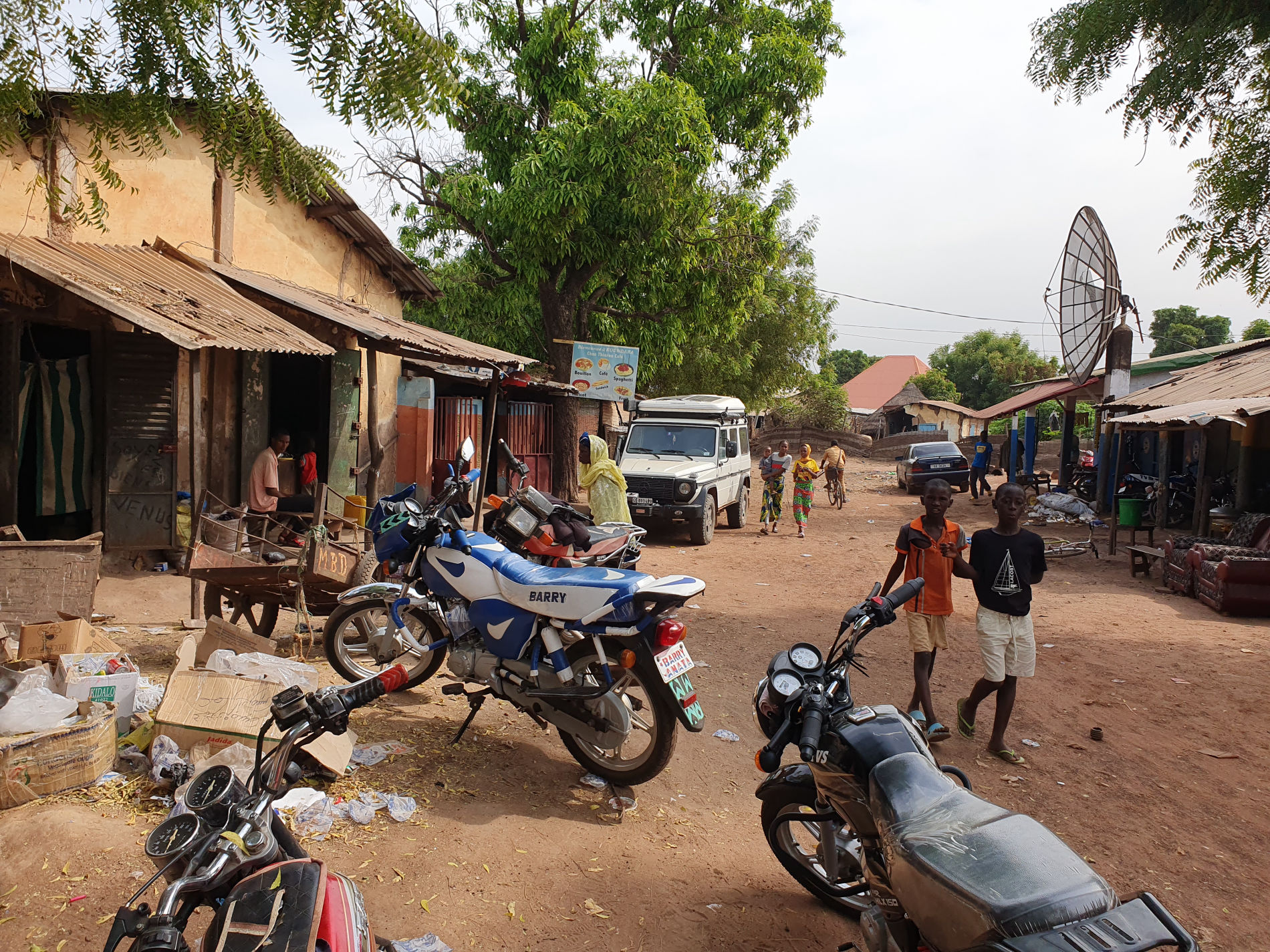
And this is probably where TIA comes into play. TIA stands for This Is Africa and it nicely summarizes all the pleasant (and not so pleasant) surprises and unforeseen circumstances you encounter along your journey. It means that no matter how well you are prepared, be ready for changes...
...all the time.