In 2015, I decided that the time had come to participate in one of the overlanding rallies to Mongolia, a thought I had been playing with for a while.
Unless you are willing to go by yourself, the most difficult aspect of making it happen is to find someone who is interested in joining you – and that someone should be a person you actually would like to be sitting next to for almost 24/7 for over 6 weeks.
That’s how I came to know Beau’s passion for overlanding! Without knowing each other that well at the time, we quickly understood that we were on the same page regarding the crucial things. That’s how we decided to participate in the Charity Rally.
While there are several alternatives out there, the most famous one probably being the Mongol Rally. However, the Charity Rally, which is backed by the UK organization GoHelp seemed to have a bit more purpose. Also, they offered the shorter Tajikistan alternative, which allowed us to rush less and explore the places we see in more depth.
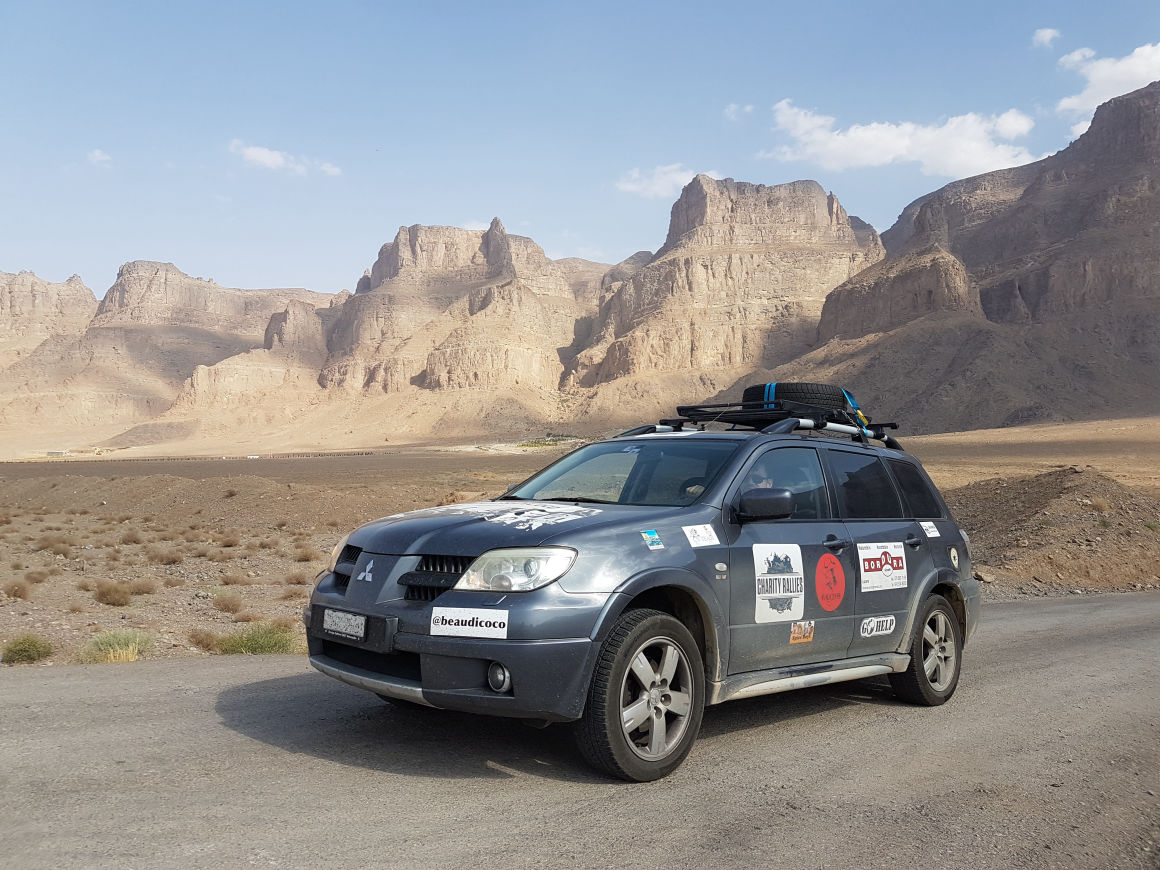
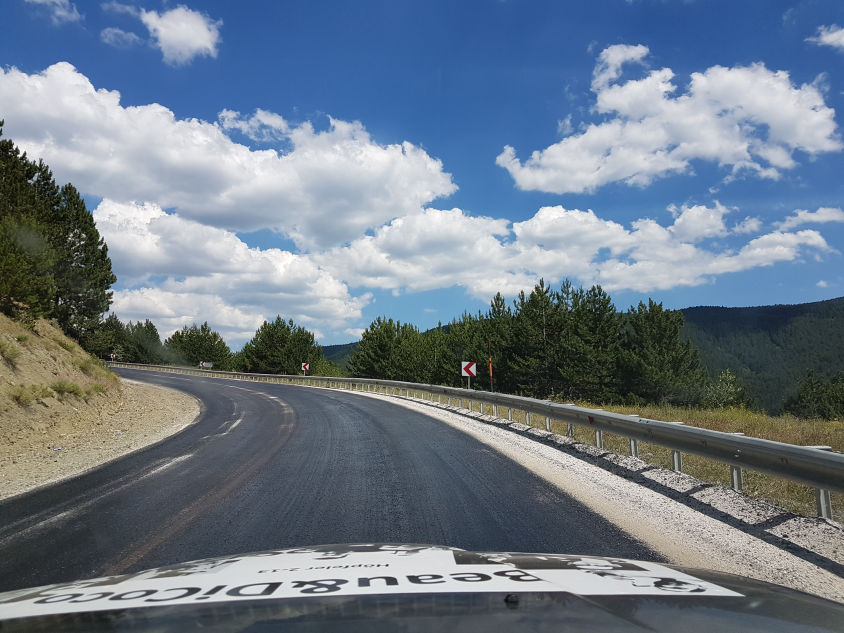
So we set off in an early morning in July 2016. Advancing quickly, we crossed several European countries on the first day and reached Serbia in the afternoon of the second day of our trip. The small digital thermometer showed us an outside temperature of 36c Celsius – sweat running down our backs. We had not yet even reached Belgrade when suddenly the AC gave up. Nothing crucial but more of an inconvenience at this stage we decided that the AC could wait.
A day later, things were getting more serious when we entered the Asian continent after leaving Istanbul behind. English speakers were becoming rare and food was getting more serious as well - a Kebab was not quite the kind of Kebab we knew: what we had in northern Turkey seemed to be mainly based on entrails.
After a calm night at the beach in northeastern Turkey we woke up to the messages of our concerned friends informing us about the attempted coup d'état that took place in Turkey.
Expecting the worst we packed our tent like never before. Based on our friends' reports, we were expecting to encounter tanks fighting police vehicles in the streets, so we rushed towards the Georgian border that was about 400 km away.
Georgia was welcoming us with open arms and following a stressful drive we were happier than ever to be served burgers at a hipster restaurant in the old town of Batumi, a Georgian beachfront town.
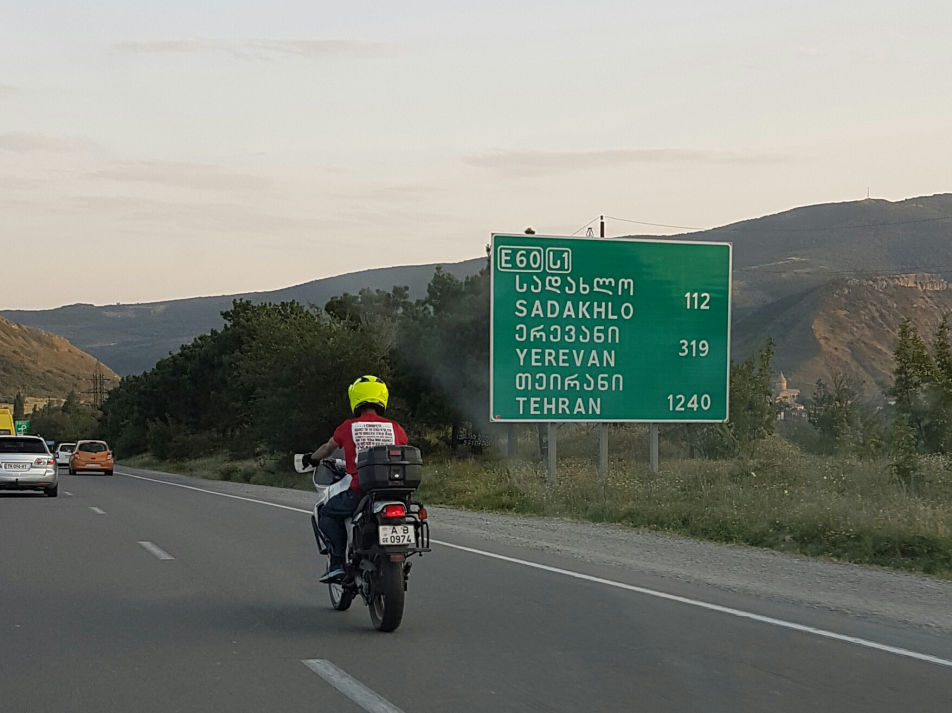
Next stops were the capital Tbilisi (last stop to buy supplies for the car; Beau getting a haircut) and then straight to Armenia. This was the first time that Tehran was announced on road signs. Quite a milestone!
Armenia was the first country in which a four-wheel drive was necessary, or at least justified. Roads were getting narrower, steeper, and pretty much worn out at times. Sure, one should not generalize, but in the southern part of the country you can clearly see that the mountain roads are shared with heavy trucks. Tarmac is now something you only get to see as long you do not leave the main road.
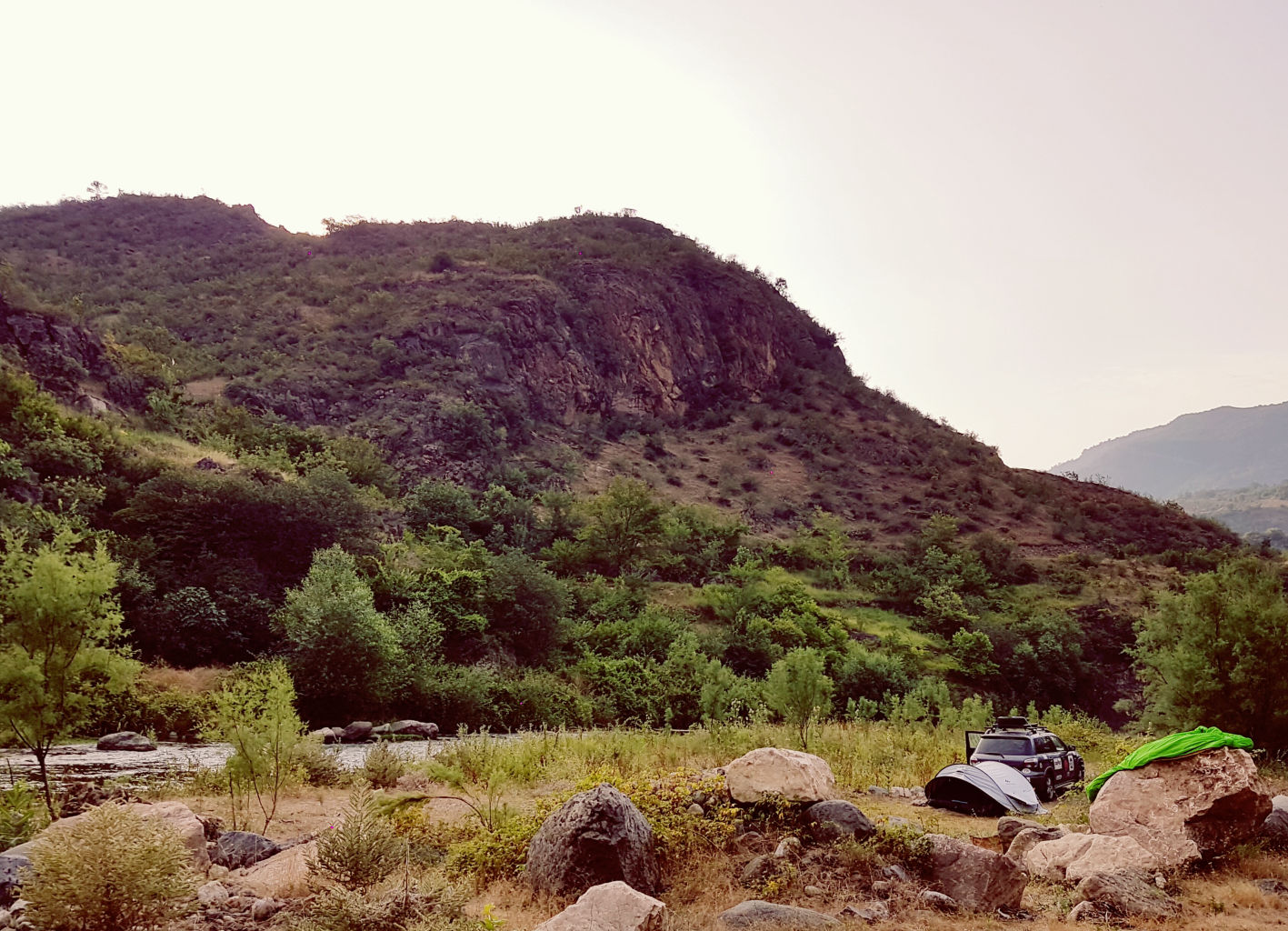
Given that places are a bit hard to reach there are plenty of stunning locations that invite to stay for the night. Valleys, rivers, forests – all extremely beautiful!
None of the other countries offered better opportunities to connect with nature and to spend the night in a camp. Friendly local Lada owners once even guided us to the right spot when we were lost looking for a place to sleep!
Not sure whether this was bad luck or a systemic problem. In any case, the entry from Georgia into the country was chaotic and the exit to Iran can at best be described as highly unprofessional.
We not only felt Armenia was the last European country on our trip from a cultural perspective but also in terms of availability of services, such as banking
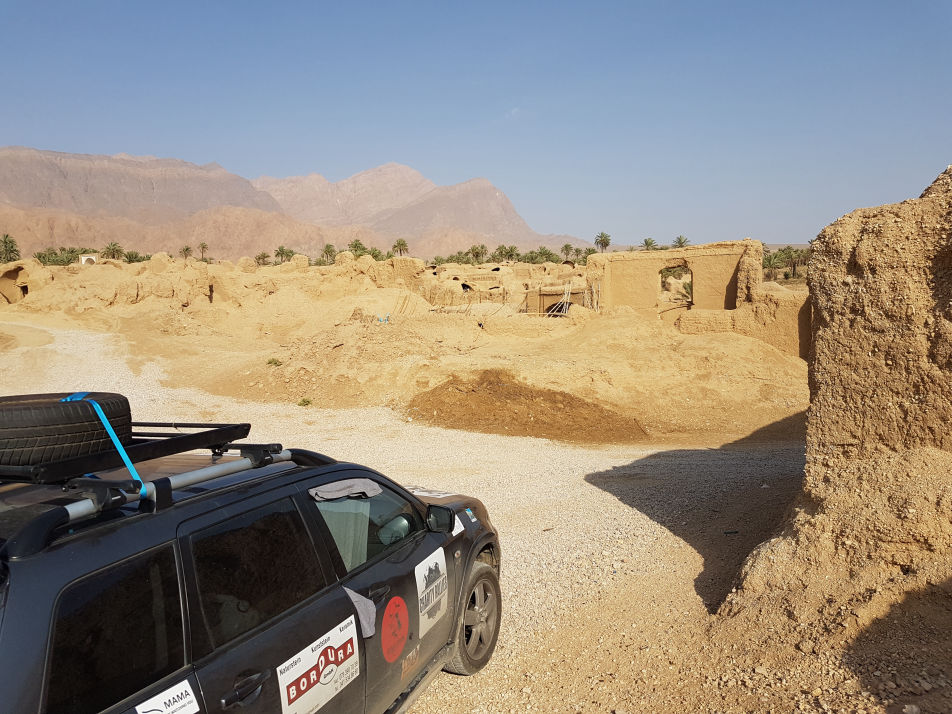
Iran was an absolute highlight of our trip. Upon entering the country, we felt as if we had entered a parallel world. Especially coming from Georgia via mountainous Armenia, all of the sudden we found ourselves in a desert. A few kilometers in, we started noticing the first consequences of the economic sanctions: car brands we have never heard of and not a single foreign-plated vehicle. As a consequence of this isolation we could explore a country where apart from a few tourist attractions there were no other visitors to be seen. Given the rarity of visitors like ourselves, we were welcomed with lots of interest and friendliness.
At no other border we were treated more friendly and with more respect than at the Iranian side of the Norduz border crossing. The only police inquiries we got were out of interest where we were from and where we were headed. On freeways, we were sometimes even offered a free passage!
The admin process required to enter Iran driving your own car as of 2016 is complicated, lengthy, and expensive: in addition to a visa, we needed a carnet de passage for the car. As part of the visa application process we had to get our fingerprints at the local police station. The visa cost us several hundred dollars in total and the deposit for the carnet is in the thousands, depending on what car you have.
Due to international sanctions international debit/credit cards are not accepted, which means you need to bring cash in USD or EUR to cover all your expenses. Not great from a security perspective if you are driving for thousands of kilometers to Iran and continue into countries with limited USD / EUR withdrawal options. We brought part of the needed travel cash from Switzerland and got the rest in Armenia at the bank counter.
For Turkmenistan, we seriously lack good photos. This is partly due to the fact, that you are often not allowed to take pictures, partly because we were not allowed to stay within the country for long enough to explore it.
The same is true for writing: probably the most interesting encounters we had were on the first day, when we still believed that we would be able to find an accommodation that is not a 5-star hotel controlled by the government. Looking for a homestay, we crossed the capital Ashgabat and its brand new empty avenues several times and ended up in the interesting neighborhoods: where people actually live, and where houses have not seen any renovation work since they were built more than half a century ago.
This is something you would probably never see unless you are doing this kind of a road trip; and it is certainly an interesting experience.
This was the only country we could not get all entry requirements done ourselves. Charity Rallies helped us to get an invitation letter (which apparently does not necessarily guarantee you will get your arrival on visa and be able to enter the country by car).
We were only allowed to remain within the country for 5 days and our route was marked on our entry paperwork, so we could not visit all the places we wanted to.
We also felt that nowhere else on this trip we were asked for "gifts" as frequently as here.
After being stripped of all our USD after Iran and failing to get USD in Turkmenistan, we were left with a large excess of Turkmen Manat. Getting a plastic bag full of Uzbek Som in exchange at the border made us feel rich for a short moment. At least until we had to pay our bill for dinner, when we had to leave a pile of cash on the table. Still not sure whether dinner was relatively expensive or cheap that night I can say that it was worth every single piece of paper! As with the Persian cuisine, the food in Uzbekistan was amazing.
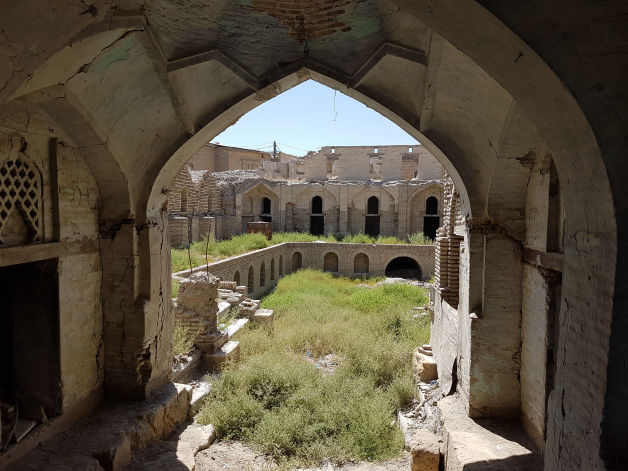
Oh, and no need to discuss architecture here – the photos speak for themselves.
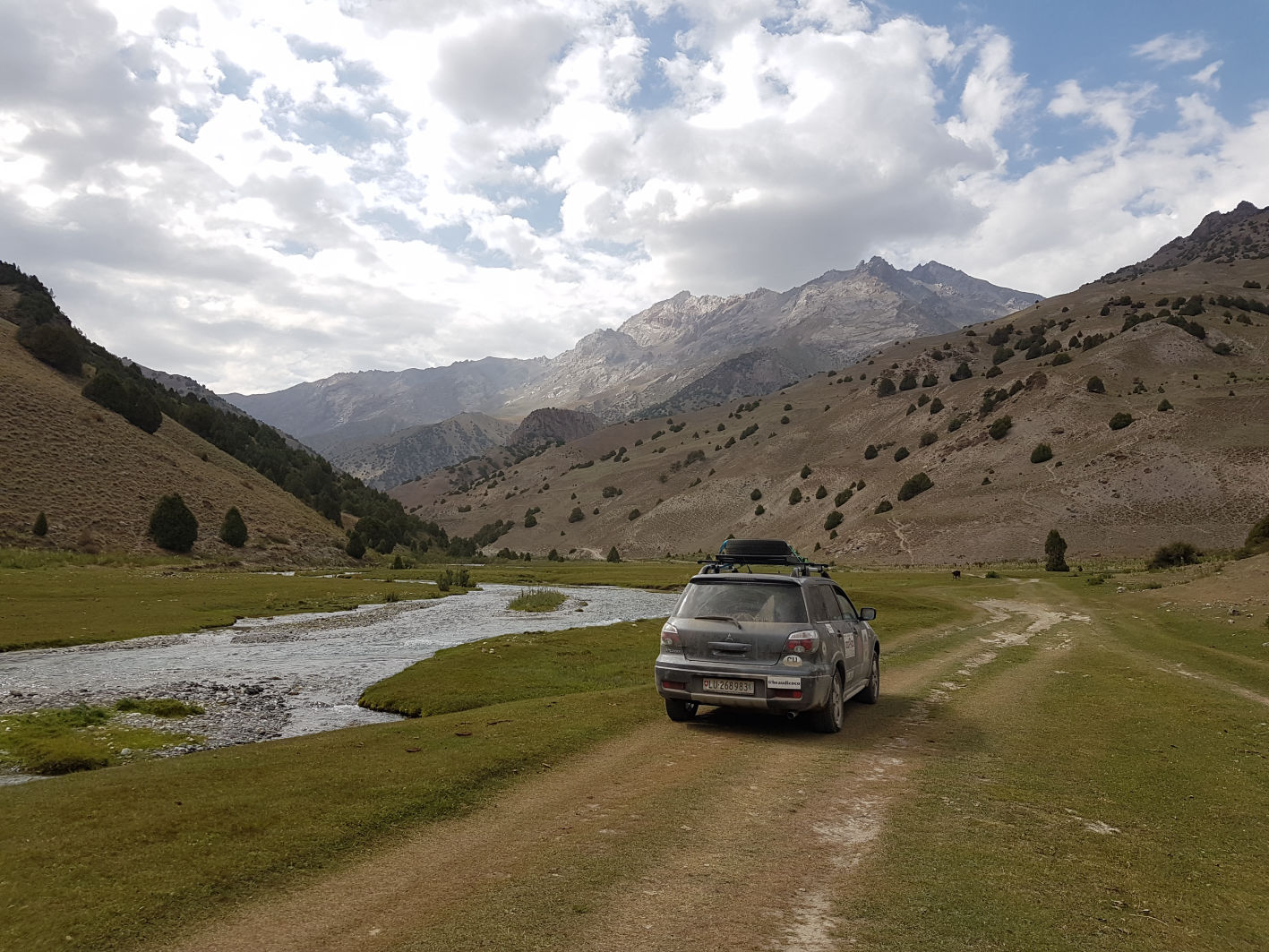
Super mountainous and rough terrain is probably what comes into mind first. Home to the famous Pamir Highway, Tajikistan features amazing mountain views. As planned, we had a couple of days left around Dushanbe before we had to look into the administrative process to hand over the car to donate it to GoHelp. We went for a last trip with our car Eva up into the mountains through the tunnel of death. Accessing lakes in remote valleys turned out to be the most challenging part of the trip for the car and really tested limits in terms of ground clearance and torque. This is where we really felt that the Outlander we had was not a fully grown 4x4 after all.
Leaving the car behind and returning was not easy. Even less did we enjoy being stuck in Dushanbe to finish up admin tasks.